среда, 18 июня 2008 г.

Exercises to Prevent Senior's From Falling

Exercises to Prevent Senior's From Falling
Senior man and woman exercising

Each year, more than one-third of people age 65 or older fall. Falls and fall-related injuries, such as hip fracture, can have a serious impact on an older person's life. If you fall, it could limit your activities or make it impossible to live independently.


Maintaing your balance is crucial. Balance exercises, along with certain strength exercises, can help prevent falls by improving your ability to control and maintain your body's position, whether you are moving or still.


Some exercises can make you less likely to fall. They do this because they:


  • Make your muscles stronger
  • Improve your balance
  • Make your muscles more flexible
  • Increase how long you can be active

When you exercise, always make sure you breathe slowly and easily. Do not hold your breath.


Beneficial Balance Exercises


  • You can do some balance exercises during everyday activities.
  • While waiting in line at the store, try balancing on 1 foot.
  • Try sitting down and standing up without using your hands.

Toe Stand - What it does: Makes your calves and ankle muscles stronger.


  • Hold on to a solid support for balance, like the back of a chair.
  • Stand with your back straight and slightly bend both knees.
  • Push uponto your tiptoes as high as possible.
  • Slowly lower your heels to the floor.
  • Repeat 10 - 15 times.

Knee Curl - What it does: Makes your buttock and lower back muscles stronger.


  • Hold on to a solid support for balance, like the back of a chair.
  • Stand with your back straight, feet shoulder width apart, and slightly bend both knees.
  • Lift 1 leg straight back behind you, then bend your knee and bring your heel toward your buttock.
  • Slowly lower your leg back to a standing position.
  • Repeat 10 - 15 times with each leg.

Leg Extension - What it does: Makes your thigh muscles stronger and may decrease knee pain.


  • Sit in a straight-back chair with your feet on the floor.
  • Straighten 1 leg out in front of you as much as possible.
  • Slowly lower your leg back down.
  • Repeat 10 - 15 times with each leg.

Stretching the Back of Your Leg - What it does: Makes it easier for you to move around.


  • Sit in a straight-back chair.
  • Put 1 foot on a low stool in front of you.
  • Straighten your leg that is on the stool and reach your hand toward this foot.
  • Hold for 10 - 20 seconds, then sit back up.
  • Repeat 5 times with each leg.

Other Activities


  • Walking is a great way to improve your strength, balance, and endurance.
  • Use a walking stick or walker as needed for support.
  • As you get stronger, try walking on uneven ground, such as sand or gravel.

Benefits of Tai Chi for Preventing Senior Falls


The benefits of Tai Chi for seniors are incredible. If you are looking for a low-impact, relaxing form of exercise that only requires about 20 minutes a day and rewards your efforts, Tai Chi is for you.


Tai Chi is an internal Chinese martial art in the sense that it focuses on mental and spiritual aspects integrated into movement. This meditative form of exercise consists of a series of 19 movements and one pose. You may have seen groups of people demonstrating its slow-moving circular forms in public parks. Many seniors and senior care facilities have been enjoying this style of workout and conditioning for more than 20 years.


Added Benefits of Tai Chi


  • Relieves physical affects of stress
  • Promotes deep breathing
  • Reduces bone loss in menopausal women
  • Improves lower body and leg strength
  • Helps with arthritis pain
  • Reduces blood pressure
  • Requires mind and body integration through mental imagery
  • Accumulates energy by releasing endorphins rather than depleting it
  • Enhances mental capacity and concentration
  • Improves balance and stability by strengthening ankles and knees
  • Promotes faster recovery from strokes and heart attacks
  • Improves conditions of Alzheimer's, Multiple Sclerosis, and Parkinson's

When to Call the Doctor


If you have pain, dizziness, or problems breathing during or after an exercise, stop and talk with your physical therapist, nurse or doctor.


Related Articles:


Original article and pictures take www.elderoptionsoftexas.com site

пятница, 23 мая 2008 г.

Essential Advice About Easing Your Back Pain

Essential Advice About Easing Your Back Pain
easing your back pain

As you grow older you understand that your body is not the same as it used to be. It is quite a bit more susceptible to all sorts of back pain. In reality, neck and back pain can affect anyone. The following post will offer some excellent pointers on exactly what to do about easing your back pain.


Regular Workout


A regular program of workout can be crucial in preventing or dealing with back discomfort. Like the rest of the muscles in your body, your back muscles grow weak if they are not worked out. Many individuals mistakenly assume that you must not exercise when you have back discomfort.


Use Ergonomic Chair


Consider switching your most frequently utilized chair into an ergonomic chair. There are numerous ergonomically created chairs nowadays that are made just for those that are sitting at a desk or staying up all day. These chairs promote better positioning within the chair, and hence lesser stress on your back.


Identify Your Back Pain, Severe or Chronic ?


It is important to know and comprehend whether your neck and back pain is severe or chronic. Chronic pain in the back lasts for more than three months and is a constant pain in the back generally from the outcome of an injury or health problem. Intense pain in the back can likewise originate from an injury and for other reasons and normally begins quick and lasts for just a short amount of time.


Don’t Smoke


Amongst all of its other health threats, smoking cigarettes can decrease the blood supply to the vertebrae that make up your spinal column. This sort of disk damage doesn’t cause passing back pain but irreversible injury.


Keep Proper Posture While Walking or Sitting


Among the most common reasons for persistent back pain is bad posture. Slouching can cause pain, muscle tension and reduced mobility. When you walk, keep your shoulders back and attempt to keep your back straight. When sitting at your computer system or desk, put a pillow or rolled up towel behind your lower back for assistance and keep your shoulders back.


Surgery As Last Resort


Surgery is expensive and can lead to additional issues consisting of infection and even worse back discomfort. When you consider surgery for your back, make sure that you have actually done whatever you might have done in advance.


Flexing Down After Exercising


Prevent flexing down rapidly without heating up. Tense muscles contribute to clipped ligaments and severe lower neck and back pain. When you have to flex down, do it in a sluggish motion, instead of quickly, to avoid harming your back. Another thing to keep in mind is to keep your back warm in winter, in order to prevent the tensing of muscles.


It’s All About Taking Good Care of Your Muscle


So as you can see, you do not have to feel like you are getting older due to the fact that of the pain in the back that you are feeling. These suggestions will assist you live a better freer life without the back pain that has actually been slowing you down. So do not squander a minute and put this guidance to utilize.


It is quite a bit more vulnerable to all sorts of back discomfort In reality, back pain can affect anybody. Persistent back pain lasts for more than three months and is a constant back pain normally from the outcome of an injury or illness. When you walk, keep your shoulders back and try to keep your back straight. When sitting at your computer system or desk, rolled or put a pillow up towel behind your lower back for support and keep your shoulders back.


Tense muscles contribute to clipped ligaments and severe lower back discomfort.


Picture by Mitchell Kealoha


Original article and pictures take modernsurvivalliving.com site

вторник, 6 мая 2008 г.

Dr. Weil's Top Picks

Dr. Weil's Top Picks
marry your best friend

Spontaneous Happiness


The happiest married people are those who think of their spouse as their best friend. Researchers from the…


Read Full Article


Dr. Weil's Vitamin Advisor

Weil Vitamin Advisor


Visit the Weil Vitamin Advisor Supplement Library and discover the high-quality vitamins and supplements that our personalized questionnaire recommends to customize your plan, shipped conveniently to you each month.


Visit The Library


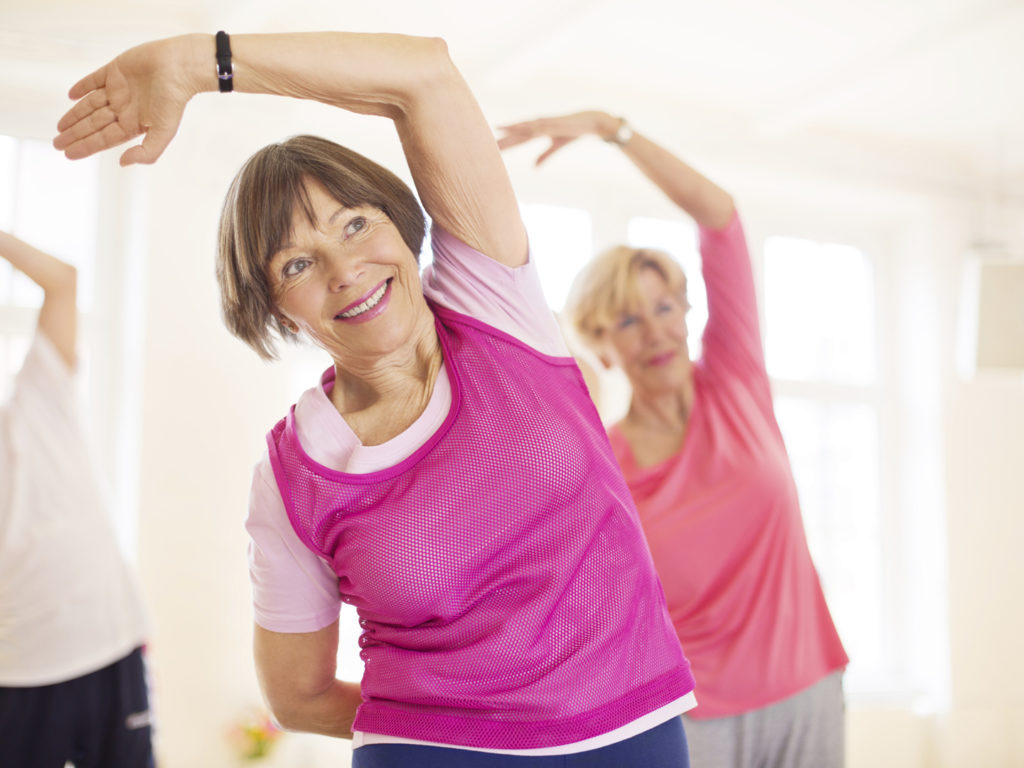
Group of happy seniors practising yoga

Exercise & Fitness Read Full Article


With long green ice tea and glass teapot on unfocused background

Nutrition Read Full Article


heap of bitter melon or momordica on wooden table with blurred background.

Supplements & Remedies Read Full Article


Eating Anti-Inflammatory

Health Tips Read Full Article


Ask Dr. Weil your health question

Ask Your Question


Original article and pictures take www.drweil.com site

четверг, 17 апреля 2008 г.

Connecting Mindfulness and Tai Chi

Connecting Mindfulness and Tai Chi
Mindfulness and Tai Chi

It is extremely difficult to bridge the gap between actually doing the tai chi form and improving your meditative-mindful state. On one hand, doing the form feels good and we definitely feel better afterwards. But how do we answer the questions from students, classmates, and ourselves such as:


What should I be thinking about when I do the form?


Does your mind race?


Are you concentrating on something?


I will admit to you dear reader that I have historically been at a loss for providing a concise response that was satisfying. But I found a really solid answer. I was reading on Mindfulness and forgot I was reading on Mindfulness because I read this:


To cultivate the healing power of mindfulness requires much more than mechanically following a recipe or a set of instructions. No real process of learning is like that. It is only when the mind is open and receptive that learning and seeing and change can occur. In practicing mindfulness you will have to bring your whole being to the process. You can’t just assume a meditative posture and hope that something will magically just happen, nor can you play a CD and think that the CD is going to “do something” for you. (p. 19*).


Doesn’t that sound like Tai Chi?


The leading researcher on Mindfulness, Jon Kabat-Zinn, speaks of major pillars of mindfulness that can be addressed simultaneously or individually to lead to a greater mental state. Through Wiseman‘s work we know that physical movement can produce desired emotional states. I will use this essay to interpret 5 of Zinn’s Pillars of Mindfulness in terms of doing the tai chi form. Let’s watch Jon Kabat-Zinn in these short explanations and then apply them to tai chi.


Mindfulness and Tai Chi


1. Non–judging


Mindfulness is: “the awareness that arises from paying attention on purpose in the present moment, non-judgmentally.” We spend a great deal of our waking hours judging and creating opinions on all of our actions and things that happen around us. We are often most severe with ourselves when we are learning something new or are trying to improve ourselves. Our job is not to try to turn this off but to witness it taking place. To see ourselves as separate from the judging process so that we can enjoy, experience, and see things how they really are. Read: do not judge your form while you are doing it. Enjoy the process and know that this is (currently) your best attempt.


2. Patience


Do you want to complete the tai chi form more than you want to perform it? The byproduct of rushing is that we are never mentally happy or present with what is actually going on. Patience; the belief that things unfold in their own way, allows us to enjoy the millions of minutes of the process and not only the single second of completion.


3. Beginner’s Mind


Beginner’s mind returns the excitement to our repetitive daily activities. Each time we return to do the form we are better than the last time simply due to our experience. How many of us concentrate on the few moves we can’t remember versus the many we do well? A beginner is open to endless possibilities and isn’t looking at the “task” of doing the form through a clouded, negative lens.


4· Trust


“Can we come to trust the natural wisdom of the body?” Do we take our breathing and heartbeat for granted until something bad happens? Tai Chi gives us the chance to listen to the breath, think about what we are looking at, etc. Bringing awareness to all of the body processes that naturally occur without our intervention increases our trust and can increase our confidence in situations that might not be 100% in our control (a.k.a. every situation).


5. Non-striving


Tai Chi is a rare opportunity where we can just let things be as they are. Tai Chi is a tremendous discipline to show us that we can be present AND be completing something, rather than ignoring our present moment and racing to some future goal. Kabat-Zinn shares that present-mindedness is tremendously healing and restorative.


“The attitude with which you undertake the practice of paying attention and being in the present is crucial. It is the soil in which you will be cultivating your ability to calm your mind and to relax your body, to concentrate and to see more clearly. If the attitudinal soil is depleted, that is, if your energy and commitment to practice are low, it will be hard to develop calmness and relaxation with any consistency. If the soil is really polluted, that is, if you are trying to force yourself to feel relaxed and demand of yourself that “something happen,” nothing will grow at all and you will quickly conclude that “meditation doesn’t work.”


*Full catastrophe living: using the wisdom of your body and mind to face stress, pain, and illness Jon Kabat-Zinn – Pub. by Dell Pub., a division of Bantam Doubleday Dell Pub. Group – 1991


Original article and pictures take taichibasics.com site

понедельник, 24 марта 2008 г.

Classic Yang Style Tai Chi

Classic Yang Style Tai Chi

Tung Hu Ling (1917-1992) performs the Long Form of the classic Yang style of Tai Chi Chuan. Filmed in 1960 during one of many visits that Tung Hu Ling made to Bangkok, Thailand to teach Tai Chi Chuan.


Tung Hu Ling learned his Tai Chi from his father Tung Ying Chieh, who was a prominent disciple of the Yang Family’s 3rd generation master Yang Cheng Fu. Tung Hu Ling also had the wonderful opportunity to be personally tutored by Yang Cheng Fu in the Yang style of Tai Chi Chuan.


Below is a great book for the Tai Chi enthusiast to have in their library! This book gathers together the written and photographic records of the teachings of the Yang Family about their style of Tai Chi Chuan. Click on the image below to see more!


Yang Family Touchstones

If you enjoyed this wonderful Tai Chi Video, please click on the “Like” button!


Please leave a comment and let us know what you thought!


Original article and pictures take taichivideos.org site

четверг, 20 марта 2008 г.

Chinese Traditional White Han Tai Chi Jian

Chinese Traditional White Han Tai Chi Jian

Chinese swords of this style date back to the Han dynasty 漢 (206 BCE-220 CE) and was the first long-lasting imperial dynasty of China.


  • Cormfortable guard for easy turning and control, perfect for tai chi exercise.
  • Exquisite jian design with best properties for professional competitions.
  • This sword is upper quality range.

Technical Data


Blade length: 76 cm/ 29.9 inches

Blade width: 3.5 cm/ 1.38 inches

Blade thickness: 0.6 cm/ 0.24 inches

Total length without sheath: 108 cm/ 42.5 inches

Weight: around 1.17 kg


Material: High-Grade Stainless Steel


Sheath Material: Rosewood


Loaded With: Copper


Balance point and materials are therefore accordingly expensive and high standart


The sword is handmade and so the length can vary +2"/ -2" or +4cm/-4cm


Properties: stiff, blunt


Original article and pictures take cdn.shopify.com site

пятница, 29 февраля 2008 г.

Chinese numbers (1-10, 100 & 1000) for Tai Chi and Qi Gong people

Chinese numbers (1-10, 100 & 1000) for Tai Chi and Qi Gong people

Qi Gong and Taijiquan is full of numbers. 8 brocades, 108 form movements, 3 treasures etc. Thus I want to show you the numbers from China!


Let’s start with the Chinese number 1-10; 100 and 1000. And I added some examples from my Taijiquan & Qi Gong Dictionary!


Chinese numbers 1-10; 100; 1000


1 一 yī Yi Lu (First Form in Chen style Taijiquan)


2 二 èr Er Lu (Second Form in Chen style Taijiquan)


3 三 sān San Bao (Three Treasures)


5 五 wǔ Wu Qin Xi (Five Animals Qi Gong)


6 六 liù Liu Zi Jue (Six Healing Sounds)


8 八 bā Qi Jing Ba Mai (Eight Extraordinary Meridians)


10 十 shí


100 百 bǎi Bai Hui (“Hundred Convergences”, acupoint Du Mai 20)


1000 千 qiān Qian Jin Zhui (Thousand Pound Sinking)


I know that the strangest thing about the Chineses language is the pronunciation. If you want to learn counting in Mandarin Chinese, have a look at this video and repeat what he says:


Or you can also go to this online dictionary and listen to 100 or 1000 or any other Chinese word!


Happy Qi!


Angelika


Chinese numbers 1-10 ; 100 ; 1000 for Tai Chi practitioners and Qi Gong enthusiasts

Original article and pictures take qialance.com site